Devlogs as a tool to build proximity with players
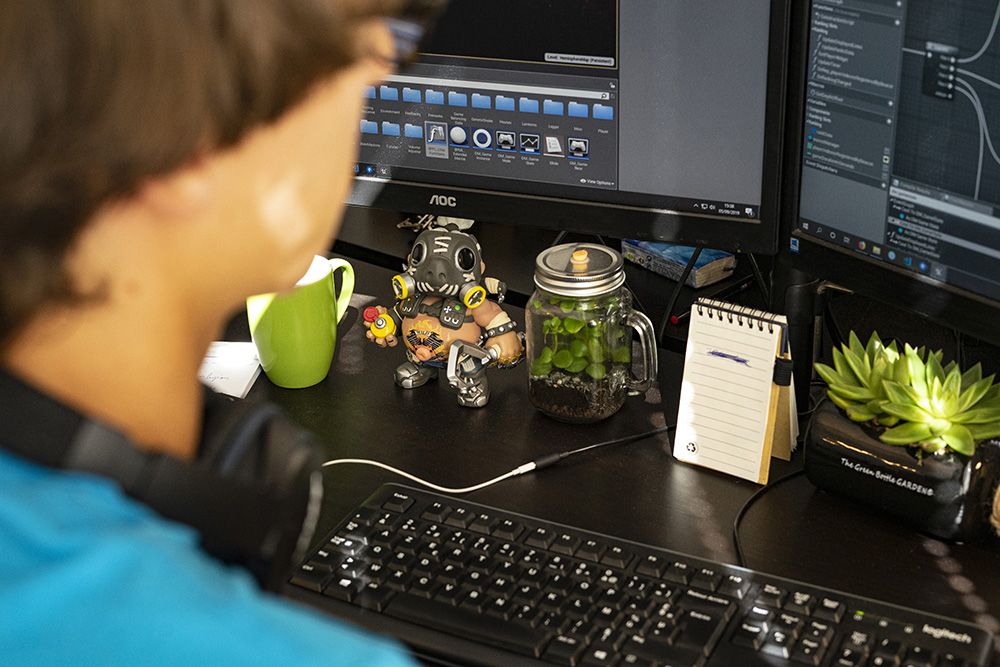
I would like to talk about a communication lever that is close to my heart: the devlog.
This format opens the doors to the work behind the scenes, and it is also the reason for this post. We recently published two devlogs about WanadevStudio’s latest production, Species: Unknown, to explain where we are, what we are testing, what works (or does not), and why we make certain choices. I am personally very convinced by this approach, and it fits well with how I ultimately want to succeed in my role.
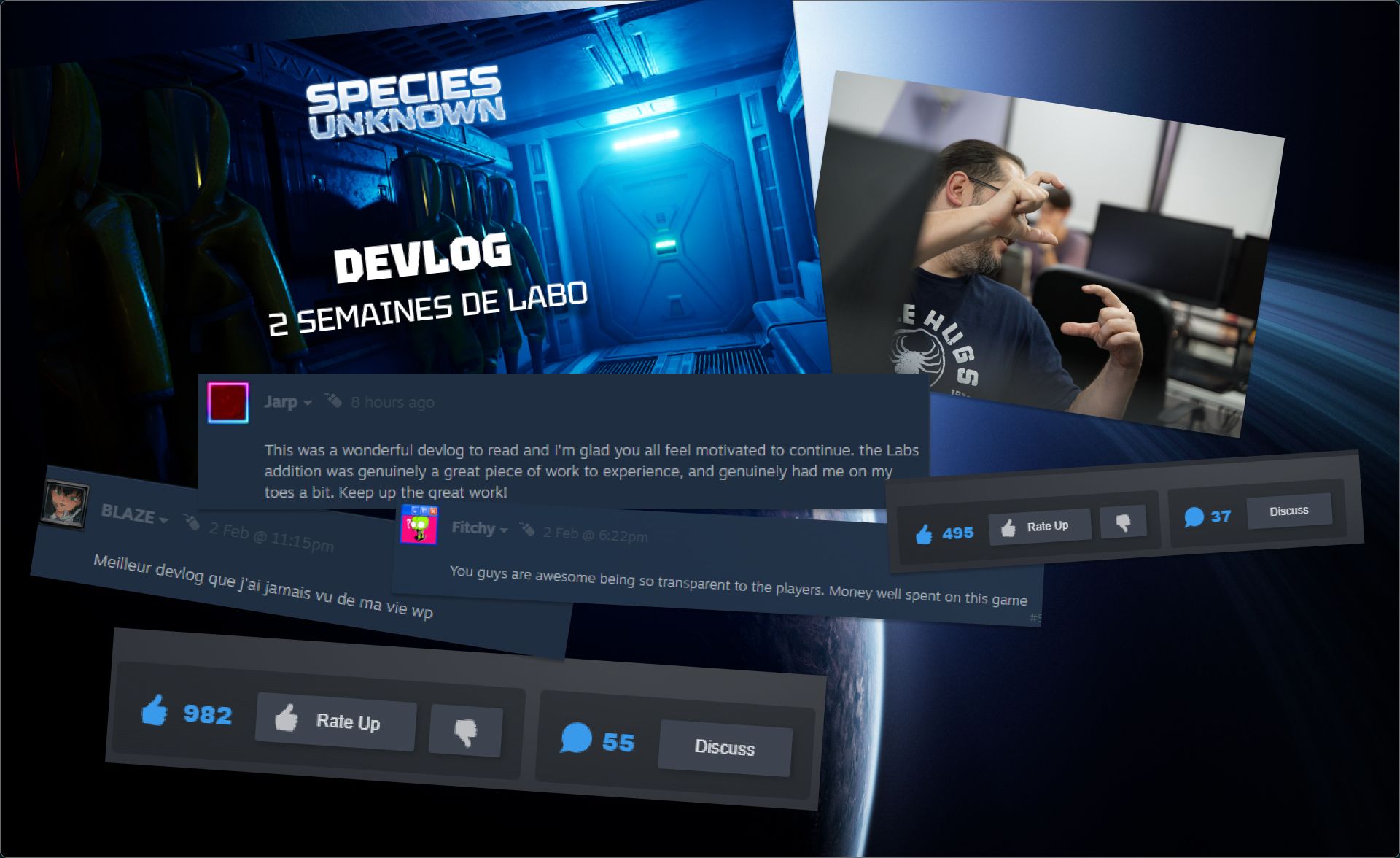
With the last two devlogs, we broke our engagement records compared to more traditional communication formats: more reactions, more comments, more discussions. Personally, this makes me happy, both in substance and in form, because it validates the usefulness and the spirit of the initiative.
With some distance, the biggest strength of a devlog is the proximity it creates. When you show work in progress, constraints, and hesitations, you completely change the relationship with players. And for an indie studio like ours, this makes a real difference: more goodwill and encouragement, more patience with timelines, more understanding regarding the team’s availability. There is also a correlation with Steam reviews. I observe a plus 4 percent increase in positive reviews among French speaking players, which I attribute to the natural and spontaneous proximity of the team.
In all of this, there is also my role within the studio. If the production team led by Nola is doing excellent work, my job is to address that work to the people who are most likely to enjoy it. The devlog is a powerful tool for that. It allows us to clearly define the game’s positioning, its theme, tone, and promise, as well as the studio’s positioning.
As a result, the devlog is a healthy and effective way to avoid a mismatch with players who are not looking for the type of experience we are going to deliver. Fewer misunderstandings means less frustration, which means fewer bad reviews or refunds caused by false expectations. The algorithms like that.
And yet, I talk about this a lot with colleagues and peers, and I notice that there are many common beliefs: “I am afraid of devaluing my work by showing something unfinished”, “what if we change our minds later?”. What I can say is that devlogs actually provide safety by making it explicit that we are opening the doors and that what is shown is not finished. People understand it, accept it, and even thank us for it. For Species: Unknown, these devlogs help create a more collective and shared discussion around the game’s development.
So, since you are currently reading a devlog about devlogs, know that I sometimes see your devlogs staying in draft form, out of fear of “not devlogging well enough”. It makes me want to encourage you to publish them. I am genuinely curious to know how you approach this on your side, which channels, spaces, and formats you consider for your devlogs.
Discover more news
Gonto, the new dependency manager from WanadevStudio
We develop video games using Unreal Engine. On a daily basis, we have to juggle multiple engine versions, we created a tool to sim...
Devlogs as a tool to build proximity with players
As a result, the devlog is a healthy and effective way to avoid a mismatch with players who are not looking for the type of experi...
Species: Unknown is a nominee for the Pégases 2026!
Species: Unknown is a nominee for the Pégases 2026!